
Ethiopia Implements Revised Excise Tax Rates for Beer, Plastic Bags, and Tobacco
By Ketema Adane
Excise Taxes: A Dual Role
Excise taxes serve a twofold purpose: generating revenue for the government and influencing consumer behavior. They provide a reliable source of income by taxing goods with consistent demand. Additionally, they discourage consumption of harmful products like tobacco and alcohol through price increases.
The Ethiopian Excise Tax Framework
The Ethiopian Excise Tax Proclamation (No. 1186/2020) levies a tax on specific goods and services. These include:
- Domestically manufactured goods by licensed producers
- Imported goods
- Services provided within Ethiopia by licensed businesses
The tax rate for these items is determined by a schedule within the proclamation and can be adjusted over time.
Recent Tax Rate Updates
An amendment to the proclamation on September 15, 2023, introduced revised excise tax rates for beer, tobacco, and shopping plastic bags, along with changes for cars and other products.
Following this, in June 2024, the Ministry of Finance exercised its authority under the proclamation to adjust the excise tax rates for tobacco and beer. These adjustments became effective upon registration with the Ministry of Justice and publication on the Ministry of Finance’s official website.
The Ministry of Planning and Development data on inflation served as the basis for these adjustments, highlighting the country’s current economic climate.
Impact of the Revised Rates
The new directive applies a higher excise tax to domestically produced beer made from malt. The new rate is 40% or 28 Birr per liter whichever is higher, compared to the previous rate of 40% or 11 Birr per liter .
Similarly, the excise tax on shopping plastic bags has increased from 40 Birr per kilogram to 103 Birr per kilogram.
For tobacco products, the revised rates are as follows:
- Cigars, cheroots, and cigarillos: 30% + 644 Birr per kilogram (previously 30% + 250 Birr per kilogram)
- Cigarettes: 30% + 20 Birr per pack (20 sticks) (previously 30% + 8 Birr per pack)
These adjustments are expected to increase government revenue, but may also lead to price increases for consumers.
Comparative Table of Excise Tax Rates (Prior and Current)
|
Description |
The new excise tax rate |
Old excise tax rate |
|
Beer made from malt |
40% or 28 birr per litter whichever is higher |
40% or 11 birr per litter whichever is higher |
|
Beer produced exclusively from barley grown and malted in ethiopia |
35 % or 23 birr per litter whichever is higher |
35% or 9 birr per litter whichever is higher |
|
Beer the local raw material content of which excluding water is at least 75% by weight of is constituents |
30% or21 birr per litter whichever is higher |
30% or 8 birr per litter whichever is higher |
|
Fermented Beverages and with mixtures of fermented beverages with non-alcoholic beverages and of other beer kind, powdered beer, of an alcoholic content not more than 7% by volume |
40% or 28 birr per litter whichever is higher |
40% or 11 birr per litter whichever is higher |
|
Shopping plastic bags |
103 birr per Kg |
40 birr per Kg |
|
Cigars, cheroots and cigarillos, containing tobaccos |
30% + (plus) 644 birr per Kg |
30% + (plus) 250 birr per Kg |
|
Cigarettes containing tobacco |
30% + 20 birr per pack (20 sticks) |
30% + 8 birr per pack (20 sticks) |
|
Cigaras, cheroots and cigarillos, cigarettes of tobacco substitutes |
30 + 20 birr per pack (20 sticks) |
30% + 8 birr per pack (20 sticks) |
|
Smoking tobacco, whether or not containing tobacco substitutes in any proportion other than tobacco intended for smoking in a water pipe and which consists of a mixture of tobacco and glycerol, whether or not containing aromatic oils and extracts, molasses or sugar, and whether or not flavored with fruit. |
30% + 664 bir per Kg |
30% + (plus) 250 birr per Kg |
|
Homogenised or reconstituted tobacco |
30% + 664 bir per Kg |
30% + (plus) 250 birr per Kg |
|
Snuff, tobacco extracts and essences |
30% + 664 bir per Kg |
30% + (plus) 250 birr per Kg |

Ethiopia’s Customs Valuation Reform: Bridging the Gap Between Directive and Practice
Customs valuation has long stood at the centre of Ethiopia’s trade, investment, and foreign exchange challenges. While revenue protection and foreign currency control remain legitimate state objectives, the persistent reliance on arbitrary reference prices—particularly under Customs Valuation Directive No. 158/2011—has created serious distortions in trade administration, banking operations, and domestic taxation. The recent circular issued by the National Bank of Ethiopia on January 26, 2026, requiring banks to use customs prices as a reference for Letters of Credit, has once again brought this debate to the forefront, exposing the far-reaching consequences of valuation practices that diverge from internationally accepted principles.
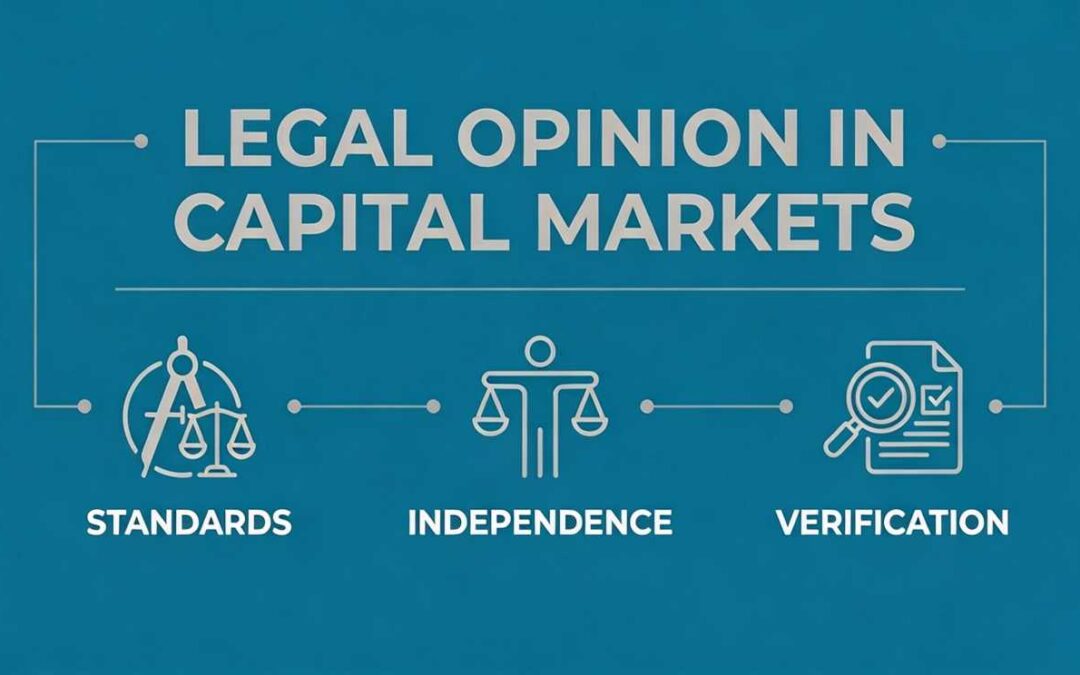
Legal Opinion in Capital Markets: Standards, Independence, and Verification
A) Why Legal Opinion?
Lawyers are envisaged to play pivotal roles in capital market especially in security registration.
Investor Protection: Legal opinions often assess existential risks like litigation, asset ownership, and regulatory compliance. A biased opinion could mislead investors.
Market Integrity: Capital markets rely on trust. Conflicted legal opinions undermine transparency and fairness.

Foreign national’s ownership rights of residential houses, Proclamation No. 1388/2025
The ownership rights of foreign nationals over residential houses are governed by Proclamation No. 1388/2017. The proclamation consists of twenty-one (21) articles organized into four sections.

Ethiopia’s Investment Incentive Reform 2026: Key Legal Shifts from Regulation 517/2022 to 586/2026
Ethiopia has significantly revised its investment incentive regime with the replacement of Investment Incentive Regulation No. 517/2022 by the new Regulation No. 586/2026. This reform shifts the system from multi-year tax holidays and broad customs exemptions to a performance-based framework with targeted incentives. In essence, blanket income tax holidays are eliminated, replaced by reduced tax rates tied to priority sectors and performance, and new incentive categories (such as Special Economic Zones, start-ups, and green investments) have been introduced. The core customs duty benefits are largely retained but with refined conditions. This legal update outlines the key changes between the two regulations across five dimensions: tax incentives, customs duty incentives, administrative procedures, eligibility criteria, and sectoral priorities, and concludes with implications for investors and practitioners.

Legal Insight: New Developments in Ethiopia’s Foreign Exchange Framework
Following the comprehensive macroeconomic reform program, the National Bank of Ethiopia (NBE) has undertaken significant measures aimed at liberalizing the foreign exchange regime and fostering the development of a more efficient and market-oriented forex system. A central pillar of these reforms has been the gradual removal of current account restrictions and the introduction of regulatory flexibility designed to stimulate foreign exchange inflows, encourage investment, and enhance market confidence.
The licensing and supervision of banking business reserve requirements (9th replacement) directive number SBB/97/2025
By Kaleegziyabher Gossaye.
Legal update on The licensing and supervision of banking business reserve requirements (9th replacement) directive number SBB/97/2025

Risk Based Capital Adequacy Requirements for Banks-Directive No. SBB/95/2025
By Kaleegziyabher Gossaye.
The directive is organized into six parts. The first part outlines the general provisions of the directive. The second part deals with definition of capital. The third part discusses the capital requirements for credit risk. The forth and the fifth part extend to the capital requirements of market risks and operational risks. The last part, but not the least, is dedicated to miscellaneous provisions.

Ethiopia’s Amended Income Tax Proclamation: Implications for Revenue, Professionals, & Investors
The goals of the amendment are typically outlined in the preamble of the proclamation. Therefore, the objectives mentioned in the preamble include: improving revenue collection through adjustments to the rates applied to certain incomes; expanding the tax base; creating an efficient system of tax incentives; and curbing tax avoidance strategies, which encompass restrictions on cash payments.

U.S. International Tax Law in a Coffee Bean
The highlands of Ethiopia are widely regarded as the birthplace of coffee. The story of Ethiopian coffee dates back to around 850 AD, when both Arabica and Robusta coffee are believed to have originated. Today, Ethiopia remains the top coffee producer in Africa, cultivating over 5,000 varieties. Coffee is a major global export for the country, where agriculture remains a key driver of the economy. Ethiopia also ranks first in wheat production and third in maize production across Africa.

Tax Audits in Crisis: Can Ethiopia’s New Directive Restore Trust in the System?
Ethiopia has introduced new tax audits, conducting procedures, and the Assessment Directive No. 1063/2025, marking a significant development in its tax history. Tax audits represent a major challenge within the Ethiopian tax system; the implementation of tax audits contradicts the voluntary compliance expected from taxpayers under the self-declaration tax policy. During these audits, tax auditors often seek additional taxes without a legal foundation, aiming to meet monthly revenue collection targets. This trend significantly harms taxpayers, leading to non-compliance with tax laws and fostering illegal practices.