
The licensing and supervision of banking business reserve requirements (9th replacement) directive number SBB/97/2025
Legal update on The licensing and supervision of banking business reserve requirements (9th replacement) directive number SBB/97/2025
The National Bank of Ethiopia (NBE) issued this directive to regulate reserve requirements for commercial banks operating in Ethiopia. The directive aims to enhance interbank money market functioning, provide flexibility in liquidity management, and promote stability in short-term interest rates. Below is a summary of the key provisions.
The directive is titled “Reserve Requirements (9 – Replacement) Directive No. SBB/97/2025.”
Key terms defined in the directive include:
- Bank: Includes private, state-owned, foreign subsidiaries, or branches licensed by NBE.
- Reserve Base: All domestic and foreign currency deposit liabilities, including demand/current, savings, and time deposits.
Lagged Maintenance Period: Reserve maintenance period based on the previous calendar month’s reserve base. - Payment and Settlement Account: Account maintained by banks with NBE for reserve requirements and daily transactions.
The directive applies to all commercial banks collecting deposits and operating in Ethiopia
Banks must open and maintain a Payment and Settlement Account in Birr with NBE. Previous Reserve Accounts are merged into this account.
Statutory Reserve Requirements
- Banks must maintain a minimum daily reserve balance of 5% of their average reserve base from the previous calendar month in their Payment and Settlement Account.
- By the end of the reserve maintenance period, banks must maintain an average reserve of 10% of their previous calendar month’s average reserve base.
Computation of Reserve Requirements
- Reserve base is calculated monthly, excluding cash items in process of collection.
- The reserve maintenance period starts on the first Thursday of the month following the calculation month and ends on the first Wednesday of the subsequent month.
Transition Period
Banks are categorized into two groups (Category 1 and Category 2) during the transition period to meet monthly average reserve requirements:
- Category 1: Gradual increase from 8% in January 2026 to 10% in March 2026.
- Category 2: Gradual increase from 7.5% in January 2026 to 10% in June 2026.
Reporting Requirements
Banks must submit:
- Monthly reserve base reports (Annex 1) on the first working day after the end of the calendar month.
- Statutory reserve requirement reports (Annex 2) on the day after the end of the maintenance period.
- Monthly net average reserve base reports via the Ethiopian Automated Transfer System.
Administrative Sanctions
Non-compliance with the directive results in financial fines and administrative sanctions, including:
- Fines for failing to meet daily or average reserve requirements.
- Fines for delayed or missing reports.
- Additional sanctions such as suspension of lending, prohibition of dividend payments, and restrictions on opening new branches or expanding services.
The previous directive, “Reserve Requirement (8 – Replacement) Directive No. SBB/84/2022,” is repealed and replaced by this directive.
The directive is effective starting January 1, 2026.
This directive establishes clear guidelines for reserve requirements, reporting, and penalties to ensure effective monetary management and banking stability in Ethiopia.
Legal Disclaimer
This material is provided for general informational purposes only and does not constitute legal or financial advice. Ethio Alliance Law Firm makes no warranty as to its accuracy or completeness and accepts no liability for any reliance placed on it. Readers should consult the official Directive and obtain specific legal advice before acting on any information herein.

Ethiopia’s Investment Incentive Reform 2026: Key Legal Shifts from Regulation 517/2022 to 586/2026
Ethiopia has significantly revised its investment incentive regime with the replacement of Investment Incentive Regulation No. 517/2022 by the new Regulation No. 586/2026. This reform shifts the system from multi-year tax holidays and broad customs exemptions to a performance-based framework with targeted incentives. In essence, blanket income tax holidays are eliminated, replaced by reduced tax rates tied to priority sectors and performance, and new incentive categories (such as Special Economic Zones, start-ups, and green investments) have been introduced. The core customs duty benefits are largely retained but with refined conditions. This legal update outlines the key changes between the two regulations across five dimensions: tax incentives, customs duty incentives, administrative procedures, eligibility criteria, and sectoral priorities, and concludes with implications for investors and practitioners.
Legal Insight: New Developments in Ethiopia’s Foreign Exchange Framework
Following the comprehensive macroeconomic reform program, the National Bank of Ethiopia (NBE) has undertaken significant measures aimed at liberalizing the foreign exchange regime and fostering the development of a more efficient and market-oriented forex system. A central pillar of these reforms has been the gradual removal of current account restrictions and the introduction of regulatory flexibility designed to stimulate foreign exchange inflows, encourage investment, and enhance market confidence.

Risk Based Capital Adequacy Requirements for Banks-Directive No. SBB/95/2025
By Kaleegziyabher Gossaye.
The directive is organized into six parts. The first part outlines the general provisions of the directive. The second part deals with definition of capital. The third part discusses the capital requirements for credit risk. The forth and the fifth part extend to the capital requirements of market risks and operational risks. The last part, but not the least, is dedicated to miscellaneous provisions.

Ethiopia’s Amended Income Tax Proclamation: Implications for Revenue, Professionals, & Investors
The goals of the amendment are typically outlined in the preamble of the proclamation. Therefore, the objectives mentioned in the preamble include: improving revenue collection through adjustments to the rates applied to certain incomes; expanding the tax base; creating an efficient system of tax incentives; and curbing tax avoidance strategies, which encompass restrictions on cash payments.

U.S. International Tax Law in a Coffee Bean
The highlands of Ethiopia are widely regarded as the birthplace of coffee. The story of Ethiopian coffee dates back to around 850 AD, when both Arabica and Robusta coffee are believed to have originated. Today, Ethiopia remains the top coffee producer in Africa, cultivating over 5,000 varieties. Coffee is a major global export for the country, where agriculture remains a key driver of the economy. Ethiopia also ranks first in wheat production and third in maize production across Africa.
Tax Audits in Crisis: Can Ethiopia’s New Directive Restore Trust in the System?
Ethiopia has introduced new tax audits, conducting procedures, and the Assessment Directive No. 1063/2025, marking a significant development in its tax history. Tax audits represent a major challenge within the Ethiopian tax system; the implementation of tax audits contradicts the voluntary compliance expected from taxpayers under the self-declaration tax policy. During these audits, tax auditors often seek additional taxes without a legal foundation, aiming to meet monthly revenue collection targets. This trend significantly harms taxpayers, leading to non-compliance with tax laws and fostering illegal practices.
The National Bank of Ethiopia issued new directives on June 25, 2025, finalizing the opening of the country’s financial sector to foreign players
Directive No. SBB/94/2025 provides a structured regulatory framework for banking operations in Ethiopia. The directive outlines the procedures for licensing and renewing banking businesses and representative offices. Adhering to these guidelines is crucial for maintaining the stability and integrity of the banking sector in Ethiopia.

Regulating Ethiopia’s Shift to Electric Vehicles: A Legal and Institutional Framework
Explore Ethiopia’s transition to electric vehicles with an in-depth look at the legal and institutional framework shaping the shift. Learn about policies, regulations, and challenges in EV adoption.

Significant Adjustments in Administrative Penalty Waivers Under the New Tax Administration Directive
The Ethiopian tax administration has experienced considerable changes with the implementation of Directive Number 889/2025, which supersedes the previous Directive Number 137/2010. This directive brings important modifications in the categorization and waiver of tax administration penalties.
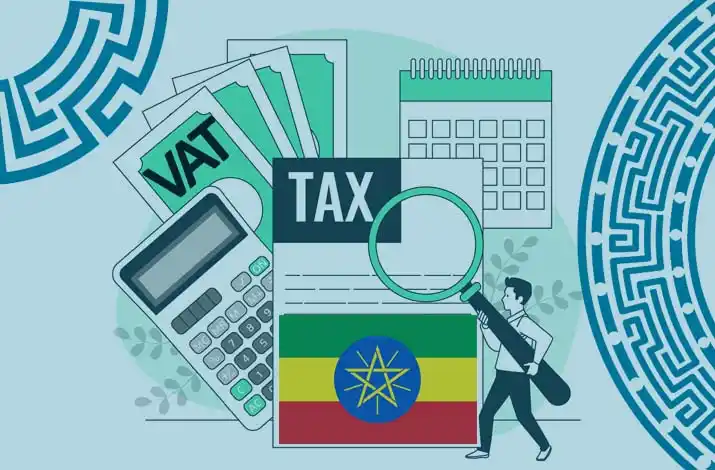
Major Changes in Ethiopia’s VAT Regime
On June 27, 2016, during its 36th regular meeting, the House of Peoples Representatives ratified Value Added Tax (VAT) Proclamation No.1341/2016, by replacing Proclamation No.285/1994. The Proclamation became effective immediately upon its approval.
The proclamation incorporated substantial updates in the VAT proclamation, it tried to address changes in economic activities, electronic transactions, tax exemptions, and the relationship between input and output tax, and aligned the system with existing global standards. It is made to create clear and effective legal frameworks that contribute to an efficient implementation of VAT within the national legal system.